Railway infrastructure projects demand absolute reliability. Modern rail networks rely on uninterrupted power distribution. They require precise signal integrity. They also need high-speed data transmission to function safely. Standard industrial cables often fail here. They cannot withstand the intense mechanical stress. They degrade rapidly under extreme thermal fluctuations. Rail operations also demand rigorous fire-safety mandates. When standard wiring falls short, operators face catastrophic system failures. This causes costly downtime and severe safety risks.
We will explore the critical parameters shaping cable choices in this sector. You will gain an objective framework for categorizing and selecting the right wiring solutions. We cover rolling stock applications, trackside deployments, and current compliance standards guiding these decisions. This knowledge empowers engineers and procurement teams. You can confidently specify the correct products for complex rail environments.
Key Takeaways
Selecting the correct railway cable requires balancing electrical load requirements with strict environmental and fire safety compliance (e.g., EN, CPR).
Trackside and rolling stock applications demand distinct insulation materials; cross-linked polymers and rubber compounds offer different mechanical trade-offs.
Sourcing failures often stem from underestimating electromagnetic interference (EMI) in signaling, making proper shielding specifications critical.
Off-the-shelf options may not meet legacy system requirements, often necessitating a custom railway cable solution to bridge modern compliance with existing infrastructure.
1. The Operational Realities Shaping Railway Cable Selection
Implementation Realities
Physical stressors in rail environments are severe. Trains cause continuous and intense vibration. This vibration induces mechanical fatigue. It often fractures standard copper conductors over time. Rodents pose another constant physical threat. They chew aggressively through basic outer jackets. You must also account for intense UV exposure. Direct sunlight quickly degrades standard plastic sheathing. Moisture ingress ruins signal integrity in trackside troughs. Temperature extremes add daily thermal stress. These realities dictate highly specialized material choices. Standard commercial wires simply deteriorate under these harsh conditions.
The Fire Safety Imperative
Fire safety dictates modern rail design. Underground stations and tunnels act as enclosed hazards. A fire in these spaces becomes extremely dangerous. Standard PVC wiring releases toxic and corrosive gases when burned. It also produces thick, blinding smoke. We rely on Low Smoke Zero Halogen (LSZH) properties to prevent this. LSZH materials maintain visibility for safe evacuations. They protect passengers from deadly toxic inhalation. Compliance requires adherence to the Construction Products Regulation (CPR). CPR categorizes materials based on precise fire reaction testing.
Success Criteria
A successful deployment relies on clear metrics. You must minimize routine maintenance intervals. Maintenance in active rail corridors is expensive and dangerous. The infrastructure must guarantee signal integrity. High-EMI zones constantly threaten data transmission. A proper Railway Cable design resists these electrical disruptions. Finally, the installation must pass strict final-user compliance audits. Authorities like ARTC or Network Rail demand verifiable test data. Missing these criteria results in immediate project rejection.
2. Core Types of Railway Cable
Medium Voltage Cable for Traction and Power
Substations must deliver immense electrical power. They distribute this energy to the trackside network. They also feed overhead lines. Engineers evaluate insulation thickness carefully. Typical voltage ratings range from 1kV up to 30kV. Conductor flexibility is also vital for installation maneuvering. Choosing a reliable Medium voltage cable ensures stable traction operation.
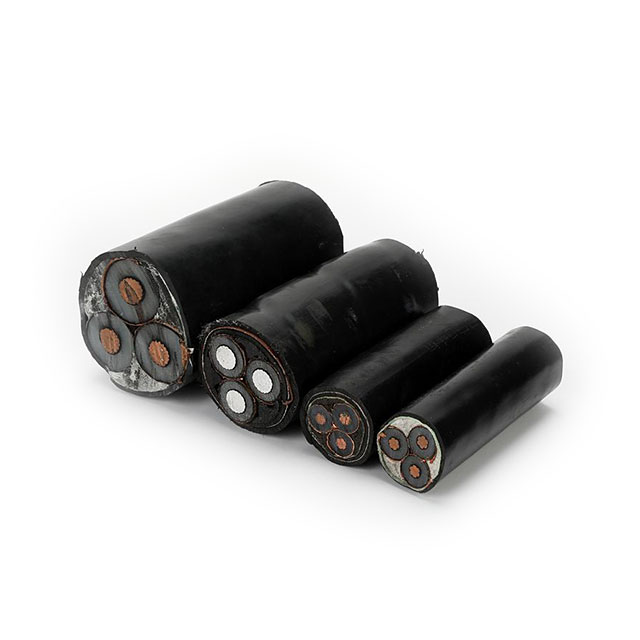
Physical protection often dictates the outer layer. Direct burial applications face shifting soils. High mechanical impact zones risk accidental crushing. Rodents constantly seek to gnaw buried lines. In these environments, you must specify an Armored power cable. Steel tape or wire armor provides a vital mechanical barrier. Unarmored variants only belong in secure, enclosed conduits.
Railway Control Cable and Data Transmission
Rail networks rely on continuous automated feedback. Operators must trigger track switches instantly. They monitor track circuits continuously. Vital wayside equipment demands flawless data links. A high-quality Railway control cable manages these crucial interactions. Engineers must evaluate multi-core configurations carefully. Capacitance balancing prevents data corruption. Long-distance deployments require strict voltage drop calculations. Poor planning leads to sluggish mechanical responses.
Signaling Cables (Type A, B, C, D, E)
Signaling centers communicate directly with trackside indicators. This communication requires a fail-safe architecture. You must choose between elastomeric rubber and polymeric insulation. Rubber offers exceptional low-temperature flexibility. Polymeric blends provide robust chemical resistance. Local railway authorities publish specific standard catalogs.
Type A: Used primarily for core signaling networks. They feature heavily armored designs for mainlines.
Type B: Ideal for localized trackside connections. They offer better flexibility for tighter installations.
Type C: Designed for specific point machines. They withstand extreme mechanical vibration and shock.
Type D: Often deployed in older legacy systems. They utilize specialized multi-core layouts.
Type E: Used in modern high-speed rail corridors. They prioritize advanced EMI rejection capabilities.
Electromagnetic interference threatens all signal lines. High-voltage traction lines generate immense magnetic fields. These fields induce false voltage spikes. False signals cause disastrous accidents. A properly grounded Shielded cable prevents these fatal errors. We use copper tape or braided metal shields. They shunt erratic currents safely to the ground.
3. Matching Cable Specifications to Application Environments
Rolling Stock (On-Board) Applications
Trains require specialized onboard wiring. Weight reduction is an absolute priority. Heavy wiring reduces train efficiency. It increases overall energy consumption. Engineers utilize thin-wall technology to solve this. Thin-wall designs slash weight without sacrificing insulation integrity. Space remains incredibly confined inside carriages. High flexibility becomes crucial during manufacturing. Products must meet EN 50264 and EN 50306 standards. Furthermore, onboard lines encounter aggressive industrial fluids. They must resist degradation from oil exposure. Diesel fuel and brake fluids destroy standard plastics quickly.
Trackside and Infrastructure (Wayside) Applications
Wayside applications face different brutal realities. They endure prolonged outdoor exposure. Heavy-duty external sheathing provides essential defense. It blocks UV radiation and repels constant moisture. Installation methods alter specification requirements. Direct burial requires heavy armor protection. Trough installations focus heavily on bend radius capabilities. Stiff wiring strains heavily at tight trough corners. This strain fractures the internal conductor structure.
Application Comparison Guide
Deployment Area
Primary Priorities
Key Compliance Standard
Mechanical Focus
Rolling Stock (On-Board)
Weight reduction, fire safety
EN 50264, EN 50306
High flexibility, thin-wall tech
Trackside (Buried)
Impact resistance, moisture barrier
Local Network Standards
Steel armor, heavy sheathing
Trackside (Trough)
UV resistance, rodent deterrence
EN 45545-2 (if enclosed)
Bend radius, rugged jacket
4. Key Evaluation Dimensions and Compliance Standards
Regulatory Checkpoints
You must navigate dense regulatory frameworks correctly. European Standards lead global compliance trends. The EN 45545-2 standard dictates strict fire performance. It categorizes environments into specific Hazard Levels. EN 50264 and EN 50306 govern rolling stock specifically. They mandate exact material behaviors under stress. Beyond product tests, audit the manufacturer directly. Verify their IRIS (International Railway Industry Standard) certification. IRIS proves the factory maintains rigorous quality controls. It separates premium manufacturers from basic commercial suppliers.
Material Trade-offs
Engineers assess lifecycle durability carefully. Standard XLPE compounds offer proven, rugged reliability. EVA compounds deliver excellent fire-retardant properties. Advanced thermoplastic options provide new performance thresholds. Thermoplastics can offer superior recycling benefits. However, they sometimes sacrifice extreme high-temperature stability. You must balance these material trade-offs. Weigh long-term mechanical resilience against environmental impact goals.
Transparency in Specs
Datasheets often hide critical engineering traps. You must audit manufacturer specifications transparently. Some suppliers highlight peak short-circuit thresholds aggressively. They obscure the true continuous temperature rating. A wire surviving a five-second surge matters little. It must operate continuously at 90 degrees Celsius. Look for verifiable third-party testing stamps. Always demand distinct continuous versus peak thermal limits.
5. Procurement Risks and Customization Strategy
Supply Chain Bottlenecks
Procurement teams face unique supply chain risks. Specialized signaling cables require complex manufacturing processes. Relying on a single-source supplier invites disaster. Factory shutdowns halt entire rail infrastructure projects. Smart buyers employ staggered delivery schedules. They secure stock in regional warehouses early. Diversifying your supplier base mitigates these sudden bottlenecks.
When to Specify a Custom Solution
Off-the-shelf options frequently fail in older networks. Upgrading aging infrastructure introduces unique spatial constraints. Modern standard dimensions often exceed existing conduit space. You must deploy a Custom railway cable to bridge this gap. Custom sizing ensures a safe, compliant fit. Hybrid requirements also demand customization. Some projects combine power and control together. They integrate fiber optics within a single jacket. This reduces installation time dramatically.
Shortlisting Logic
Evaluate manufacturers based on objective capabilities.
Assess their rapid prototyping speed. Fast prototypes keep project timelines intact.
Examine their in-house testing labs. They need dedicated burn chambers.
Verify their mechanical stress rigs. They must simulate decade-long vibration fatigue.
Demand verifiable test reports. Manufacturers must willingly share full laboratory data.
Conclusion
Safe rail operations hinge on precise specification. Errors in material choice cause immediate operational hazards. Every connection matters immensely in modern networks. Robust armored power delivery secures stable traction. Highly shielded data transmission guarantees flawless signaling. You cannot afford shortcuts in rail infrastructure.
Engineers and buyers must take immediate proactive steps. Map out your precise environmental variables first. Identify all local fire regulations and network standards. Compile this data before requesting technical datasheets. We strongly advise consulting with a premium manufacturer directly. Request a comprehensive compliance audit for your specific deployment.
FAQ
Q: What is the difference between rolling stock and trackside railway cables?
A: Rolling stock applications prioritize flexibility and weight reduction. Engineers specify thin-wall technology for tight onboard spaces. Trackside deployments require immense durability. They face severe environmental exposure. These external setups rely on heavy sheathing and thick armor for mechanical protection.
Q: Why is LSZH (Low Smoke Zero Halogen) mandatory for railway applications?
A: Standard plastics release toxic and corrosive gases when burned. They also produce thick, blinding smoke. LSZH materials prevent this deadly combination. Tunnels and stations act as enclosed hazards during a fire. LSZH maintains visibility for safe evacuations. It protects passengers and sensitive electronic equipment.
Q: How do I protect railway control cables from electromagnetic interference (EMI)?
A: You must use specific shielded designs. High-voltage traction lines generate intense interference. Engineers counter this using foil wraps combined with copper braids. Proper grounding techniques remain crucial. This dual-layer shielding blocks erratic signals. It shunts dangerous currents safely away from vital communication cores.
Q: When should I request a custom railway cable instead of an off-the-shelf product?
A: Legacy infrastructure upgrades often require custom solutions. Standard EN/IEC catalog sizes may not fit old, narrow conduits. Extreme temperature environments also demand unique material blends. Some projects require hybrid designs. These designs combine power, control, and fiber optics within a single durable jacket.