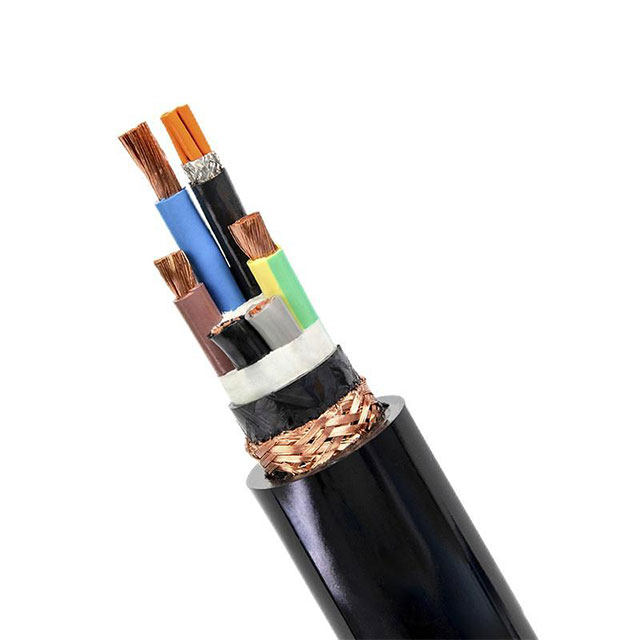
Railway stations operate as high-stakes, mission-critical environments around the clock. Electrical failures or fire hazards here quickly lead to catastrophic safety risks. They trigger severe compliance penalties and cause massive operational downtime. Procurement teams face a significant challenge in this demanding landscape. You must navigate fragmented international standards like EN 50264 and EN 50306. Balancing upfront capital expenditure against long-term durability adds to the complexity. This guide bridges the gap between technical taxonomy and procurement strategy. We equip project managers and engineers with a verifiable evaluation framework. You will learn how to specify station electrical infrastructure correctly. We cover power distribution, strict fire safety mandates, and electromagnetic shielding. You will discover how to evaluate mechanical resilience under harsh conditions. Let us explore the specialized components driving modern transit safety today.
Key Takeaways
Station infrastructure relies on a highly specialized mix of power, signaling, and data cables designed to withstand severe mechanical stress and electromagnetic interference.
Passenger safety mandates dictate the strict use of halogen-free, flame-retardant materials for all enclosed and underground station zones.
Selecting the right shielding configurations directly correlates with preventing signaling faults caused by high-voltage traction systems.
Total Cost of Ownership (TCO) is primarily dictated by long-term durability and the correct specification of compatible installation hardware, not just the per-meter cable cost.
The Core Infrastructure: Defining the Railway Cable Taxonomy
Every modern transit hub relies on a vast, interconnected electrical ecosystem. We map these applications directly to specific operational needs. Distinct zones demand tailored electrical solutions to function seamlessly. Platforms experience heavy foot traffic and constant weather exposure. Underground concourses require strict air quality controls and robust fire protocols. Control rooms serve as the digital brains of the entire facility. Long tunnels present unique routing and emergency access challenges. A reliable Railway Cable network forms the backbone for these distinct environments. Engineers evaluate each zone separately to ensure maximum operational uptime.
The following table outlines the operational demands across different station zones.
Operational Zone
Primary Application
Key Environmental Stressor
Passenger Platforms
Lighting, PA systems, Displays
UV exposure, temperature swings
Underground Tunnels
Traction power, track sensors
Rodent damage, moisture, vibration
Station Concourses
HVAC, escalators, ticketing
High fire risk, dense public traffic
Control Rooms
Data servers, automated signaling
Electromagnetic interference (EMI)
Power Distribution Networks
Stations require heavy-duty energy delivery constantly. You need a robust Low voltage power cable network for daily operations. These lines supply station lighting, large HVAC chillers, and heavy-duty escalators. Ticket barriers also draw steady, pulsed current during rush hours. Engineers must establish strict criteria for load capacity and thermal dissipation. You must calculate voltage drop across exceptionally long station runs accurately. Thick copper conductors minimize energy loss over these massive distances. Proper sizing prevents equipment brownouts during peak operational times. It also reduces harmonic distortion generated by large variable frequency drives.
Signaling and Automation
Signaling directly determines train movement and overall track safety. Specialized data lines connect trackside sensors directly to station control hubs. Devices like axle counters and track circuits rely heavily on these links. These sensitive lines demand highly specific low-capacitance designs. They ensure real-time, zero-latency data transmission across the network. Automated train control systems rely entirely on this instantaneous feedback loop. Even milliseconds of delay can disrupt complex scheduling algorithms safely. Engineers prioritize signal purity above almost all other metrics here. They deliberately isolate these lines from high-current power conduits physically.
Control and Instrumentation
Transit hubs also depend on complex auxiliary circuits. We route these lines for public address systems and sensitive fire alarms. CCTV networks require continuous power and high-speed data flow. Modern stations use multi-core configurations to streamline these critical connections. This approach simplifies complex station management systems significantly. Grouping multiple cores reduces the total spatial footprint in crowded conduits. It accelerates troubleshooting during routine maintenance checks and system upgrades. Technicians can identify discrete control pathways quickly during emergency repairs.
Non-Negotiable Safety Standards: Fire Performance and Survivability
Passenger-dense areas demand strict fire safety adherence constantly. Regulators established EN 45545-2 to standardize European railway fire safety strictly. Equivalent regional mandates enforce these passenger protection rules globally. We cannot compromise on these life-saving chemical compositions under any circumstances. Facility managers face severe compliance liabilities if non-compliant materials cause harm. Evaluating these standards requires understanding specific testing criteria.
The Halogen-Free Mandate
We must understand the chemistry inside modern electrical insulation deeply. An LSZH control cable prevents deadly outcomes during confined space emergencies. Manufacturers use specialized compounds like alumina trihydrate or magnesium hydroxide instead of standard plastics. Traditional PVC materials release toxic chlorine gas when exposed to open flames. They also produce thick, black smoke rapidly in enclosed concourses. LSZH eliminates these toxic gas emissions entirely through advanced polymer science. It preserves clear visibility for safe and orderly emergency evacuations. Passengers can find illuminated exit signs easily when the air remains clear. First responders require this vital visibility to conduct swift rescue operations effectively.
Circuit Integrity Under Fire Conditions
Some critical systems must survive active flames and immense heat. A certified Fire resistant cable provides this critical circuit integrity reliably. Evaluators test these lines rigorously under simulated disaster conditions. They must maintain continuous functionality for 90 to 120 minutes during combustion. Manufacturers wrap the internal copper conductors in specialized mica glass tapes. We map these robust lines strictly to emergency lighting networks. Heavy-duty smoke extraction fans rely on them to clear tunnels efficiently. Evacuation broadcast systems need steady power to issue verbal warnings clearly. Maintaining power to water booster pumps also depends entirely on these fire-proof links.
Mitigating Operational Risks: EMI Shielding and Environmental Durability
Overhead lines create a harsh electromagnetic environment daily. High-voltage AC or DC traction systems pass directly through stations. They generate massive interference fields across the platforms and control rooms. Environmental stressors further complicate this delicate operational balance.
Protecting Signal Integrity
We protect signal integrity through proper structural design. A high-quality Shielded control cable typically features dense copper braiding or aluminum foil. Copper braiding offers excellent flexibility and superior low-frequency protection. Aluminum foil provides exceptional high-frequency noise blocking capabilities. Engineers evaluate shielding effectiveness through specific analytical frameworks. They analyze coverage percentages and transfer impedance values carefully. High optical coverage prevents false signaling and dangerous data corruption. Effective shielding ensures control commands reach track switches without interference.
Mechanical and Chemical Resilience
Station environments introduce severe physical stressors constantly. Rodents often damage lines resting in unprotected underground trenches. Open platforms expose outer jackets to intense, continuous UV radiation. Maintenance crews use harsh cleaning chemicals near open electrical runs frequently. Track lubricants and oils regularly splash onto nearby exposed conduits. Manufacturers use specialized outer sheath compounds like cross-linked elastomers. These tough jackets guarantee longevity in high-vibration train zones. They repel aggressive cleaning solvents and resist severe mechanical abrasion effortlessly. A strong outer sheath acts as the primary defense mechanism against physical decay.
Lifecycle and Sustainability Considerations
Procurement must look beyond the initial purchasing price. You need a 25 to 40-year lifecycle perspective for major infrastructure. Station networks cannot undergo frequent overhauls without massive public disruption. Decision-makers evaluate durability to ensure long-term public service stability.
Maintenance and Replacement Liabilities
Premature material degradation carries severe hidden operational penalties. Halting station operations for retrofitting creates massive scheduling chaos. Upgrading buried or walled-in lines requires extensive manual labor and extended downtime. Focusing on durable materials eliminates these excessive replacement cycles entirely. Specifying robust jacketing early prevents sudden mid-life electrical failures. Transit authorities avoid the nightmare of tearing up platform concrete prematurely. Proactive specification dramatically reduces the burden on future maintenance crews.
Sustainability Metrics
Modern infrastructure projects prioritize environmental impact intensely. We evaluate the end-of-life recyclability of insulation materials carefully. Newer thermoplastic compounds support broader infrastructure sustainability goals directly. They minimize hazardous landfill waste when stations eventually undergo modernization. Green procurement policies demand materials completely free from heavy metals. Planners actively seek manufacturers utilizing renewable energy during the extrusion process. Aligning infrastructure choices with sustainable practices improves public perception and meets regulatory targets.
Implementation Realities: Routing, Installation, and Accessories
Even the best wiring fails if handled poorly during deployment. Poor installation practices cause most premature infrastructure failures globally. We must treat the physical deployment as a rigorous engineering discipline. Proper planning prevents critical damage during the pulling process.
Hardware Compatibility
You must specify the correct matching hardware alongside your wiring. Premium Cable installation accessories hold everything together securely. Glands, cleats, joints, and terminations matter immensely for system integrity. Mismatched mounting hardware causes dangerous galvanic corrosion quickly. It also creates mechanical pinching points over time, leading to eventual failure.
Common installation mistakes you should avoid include:
Over-tightening plastic cable ties, which gradually crushes internal insulation.
Using indoor-rated fixing cleats for outdoor, UV-exposed platform sections.
Failing to seal gland entry points against underground moisture ingress properly.
Ignoring thermal expansion gaps when securing long vertical runs.
Routing and Bending Radii
Historic station retrofits pose difficult physical constraints for installation teams. Installers navigate century-old brickwork, narrow shafts, and congested ceiling voids. New builds offer cleaner, pre-planned routing pathways using deep floor trenches. You must verify minimum bending radii for all runs meticulously. A general rule dictates keeping the radius above ten times the outer diameter. Tight corner pulls create hidden micro-fractures in the metallic shielding. They also stretch the insulation dangerously, leading to future electrical faults. Technicians must use specialized motorized rollers to ease friction around sharp bends. Pulling tension limits require strict monitoring during conduit feeding using industrial dynamometers.
Procurement Framework: How to Evaluate and Shortlist Manufacturers
We need a skeptical, verification-first approach to vendor selection today. You should avoid relying on pure marketing claims or polished brochures. Technical validation protects your project timeline and institutional safety record. Ask vendors to prove their material provenance and testing methodologies openly.
Follow this evaluation process to ensure reliable procurement:
Audit the factory’s raw copper sourcing and polymer extrusion capabilities.
Verify independent laboratory accreditations for extreme fire safety testing.
Cross-reference the submitted datasheets against strict EN 45545-2 requirements.
Request sample cuts to physically test shielding flexibility and jacket hardness.
Review historical performance data from similar high-density transit projects.
Required Documentation
Demand third-party type-test certificates directly from your suppliers. Organizations like VDE or BASEC provide trusted, objective validations worldwide. You should also request verifiable batch-testing records before accepting site delivery. These documents prove manufacturing consistency across massive production runs. Rigorous paperwork eliminates the risk of receiving substandard or counterfeit materials.
Supply Chain Resilience
Project delays cost massive amounts of time and public reputation. Evaluate vendor logistical capabilities thoroughly before signing contracts. Look for custom-length cutting services to reduce expensive onsite waste. Ensure they maintain localized warehousing for quick emergency dispatch. Secure strong lead-time guarantees to keep your project on schedule. A resilient supply chain absorbs unexpected construction delays gracefully. It ensures critical components arrive exactly when installation teams need them.
Conclusion
Successful station infrastructure relies on strict adherence to engineering fundamentals. It requires a delicate balance of fire-safe chemistry and electromagnetic resilience. Verifiable compliance ensures passenger safety remains the absolute top priority. Long-term durability always outweighs minor upfront material savings. We encourage decision-makers to conduct comprehensive site audits immediately. Cross-reference your local fire codes against proposed technical specifications meticulously. Always demand transparent testing documentation before issuing your final RFPs. Build your stations using resilient materials to last the next half-century safely.
FAQ
Q: What is the difference between standard industrial cables and railway-grade cables?
A: Railway-grade lines undergo far more stringent multi-hazard testing. Certifiers test them for extreme vibration, severe fire scenarios, and material toxicity. Standard commercial versions fail quickly under constant train movement. Railway components strictly adhere to specialized transit standards like EN 50264 to ensure absolute passenger safety.
Q: Why is LSZH mandatory in underground railway stations?
A: Confined underground spaces trap toxic smoke rapidly during emergencies. Standard plastics emit blinding black smoke and lethal chlorine gas when burning. LSZH materials eliminate these toxic emissions entirely. They prevent asphyxiation and preserve visual clarity, allowing passengers to find emergency exits swiftly.
Q: How do you protect station control networks from traction power interference?
A: We rely on specialized grounding techniques and high-coverage structural barriers. Engineers use dense copper braided shielding to deflect electromagnetic noise. They often combine this with aluminum foil layers. This combination prevents high-voltage traction currents from corrupting sensitive data signals running alongside the tracks.
Q: Do outdoor platform cables require different specifications than indoor concourse cables?
A: Yes. Outdoor exposed zones demand enhanced resistance to environmental stressors. Manufacturers add UV-resistant compounds to prevent sunlight degradation. These lines also feature specialized moisture barriers and operate across broader temperature ranges. Indoor lines focus primarily on fire retardancy and low smoke emission.