Low-voltage mining cable selection starts with clear definitions and matching cable features to equipment duty cycles. This article explains what we mean by low-voltage in a mining context and maps Mining cable features — including Low-Voltage Mining Cable options — to common conveyors, loaders, pumps and portable drills so you can choose the right product quickly. For full specs see our Mining cable product page and download the datasheet.
What is a low-voltage mining cable — quick primer
In mining applications "low-voltage" generally refers to power cables rated for use below 1 kV. Typical mining low-voltage ranges are 300 V to 1 kV and the most common conductor materials are stranded copper for flexibility and conductivity. Construction highlights you should watch for are conductor size and stranding, insulation type, inner bedding, armor where required, and an outer sheath designed for mechanical protection.
Common insulation options include elastomeric materials such as ethylene propylene rubber and chlorinated polyethylene, and thermoplastics such as PVC or cross-linked polyethylene where higher temperature performance is needed. Outer sheaths vary from abrasion- and oil-resistant neoprene to CPE compounds that offer flame and chemical resistance.
Where low-voltage sits relative to medium-voltage and high-voltage in mine power distribution is straightforward. Low-voltage covers equipment-level supplies under 1 kV. Medium-voltage is typically 1 kV up to 35 kV and is used in distribution feeders and substations. High-voltage is above that and serves long distance or high-power transmission. Choosing a Mining cable rated for the correct system level avoids overloading and safety issues.
Safety and compliance are essential. In many markets miners must meet MSHA approvals in addition to internationally recognized IEC cable tests such as IEC 60502 for extruded insulation, IEC 60332 for flame propagation, and insulation aging and mechanical tests. Make sure a product’s datasheet lists the specific standards and third-party test reports relevant to your region.
Key applications: Which Mining cable — Low-Voltage Mining Cable — suits conveyors, loaders and pumps
Mining equipment spans a wide range of duty types. Match the cable to the load and the mechanical stresses it will face.
Conveyors
Conveyors are nearly always fixed routes but can be exposed to heavy abrasion, belt rub, and point loading from debris. Choose a Mining cable with reinforced outer sheathing, optional steel wire armoring for buried or tray runs, and abrasion-resistant compounds to resist chafe.
Mobile loaders and haulage
Mobile equipment requires trailing cables that flex, twist, and often run around reels. Low-Voltage Mining Cable for mobile loaders must be highly flexible, use fine-stranded conductors, and have a small bending radius. Look for reinforced strain relief at termination points and enhanced abrasion resistance on the trough-facing side.
Pumps and fixed plant
Pumps may work in wet, oily, or chemically aggressive environments. Select cables with oil-resistant sheaths and water-blocking properties. Cross-linked polyethylene and EPR insulations offer good thermal performance for continuous motor loads. Armored low-voltage options protect against mechanical damage in pumphouses and intake lines.
Portable drills and handheld tools
Portable equipment needs lightweight flexible cable with excellent abrasion and oil resistance. Small conductor sections with high strand counts give the flexibility operators need while maintaining mechanical strength.
Portable versus fixed installations
Portable LV trailing cables are optimized for repeated flexing, smaller bending radii, and reel compatibility. Fixed installations prioritize conductor size for voltage drop and ampacity, armoring for mechanical protection, and longevity in buried or tray runs. When in doubt, specify a trailing-rated Low-Voltage Mining Cable for mobile duty and a heavier armored Mining cable for fixed heavy-duty routes.
Selection checklist: what to compare
When evaluating low-voltage options use this buyer-focused checklist.
Voltage rating and ampacity
Confirm the cable’s voltage rating and conductor cross section is sized for the load and expected length. Account for voltage drop at full load over long conveyor runs.
Conductor size and flexibility
Choose fine-stranded stranded copper for trailing cables to maximize flexibility. For fixed feeders prioritize correct mm² sizing to match current and heat dissipation.
Armoring and mechanical protection
Decide whether you need steel wire armor, corrugated aluminum, or non-armored designs. Armor increases mechanical protection and suitability for buried runs but reduces flexibility.
Bending radius and reel compatibility
Check the minimum bending radius and ensure compatibility with your reels and cable guides. Trailing cables should have a small bending radius and proven reel life.
Insulation and sheath materials and environment suitability
EPR provides elasticity and heat resistance. CPE offers excellent abrasion and oil resistance. Neoprene balances flexibility and oil resistance. XLPE is thermally robust for higher continuous loads. PVC is cost-effective for light-duty, dry environments.
Certification and testing
Prioritize cables with MSHA approval for US mining operations and IEC test reports for international acceptance. Look for documented flame retardance tests, abrasion and cut resistance tests, oil and chemical resistance, and third-party lab certificates. Factory production quality control and batch test records are valuable for traceability.
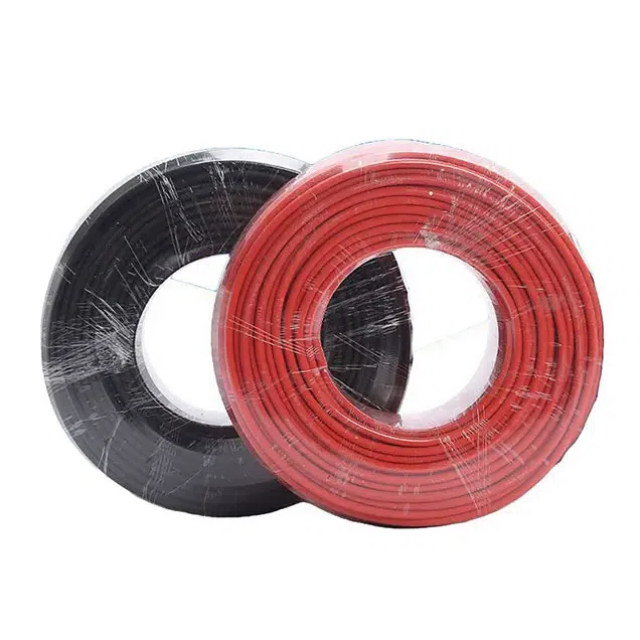
Quick Buyer Reference: Key Specifications for Low-Voltage Mining Cables
When evaluating low-voltage mining cables, consider the following key specifications to ensure compatibility with your equipment and operational environment:
Specification | Importance | Recommended Value |
Voltage Rating | Ensures insulation integrity and safety under operating conditions. | 600 V or 1 kV, depending on system requirements. |
Conductor Size | Determines current-carrying capacity and voltage drop over distance. | Sized to match motor/conveyor load with appropriate margin. |
Flexibility | Affects cable handling, reel life, and suitability for mobile equipment. | Fine-stranded copper for trailing cables. |
Sheath Abrasion Resistance | Enhances durability in high-wear areas, reducing maintenance needs. | Neoprene or CPE outer sheath. |
Armoring | Provides mechanical protection against physical damage. | Steel wire armor for buried or exposed installations. |
Bending Radius | Prevents premature fatigue and extends cable lifespan. | Adhere to manufacturer specifications for reel and guide compatibility. |
Flame and Smoke Performance | Ensures safety in case of fire, facilitating evacuation and reducing toxic smoke. | IEC 60332 class or equivalent certification. |
Chemical/Oil Resistance | Prevents sheath degradation in harsh environments, maintaining cable integrity. | Certified oil-resistant compounds. |
Installation & maintenance best practices to extend cable life
A robust cable can still fail if handled poorly. Follow these practical procedures to maximize service life.
Proper reeling and trailing
Use appropriately sized drums and tension controls. Avoid kinking and sharp bends when loading or unspooling. Reel the cable in a single plane and prevent overlapping on the drum core.
Strain relief and termination
Fit mechanical strain reliefs at termination points to prevent conductor stress. Use cable grips and gland assemblies rated for the cable diameter and armoring type.
Routing and storage
Keep cables off abrasive surfaces where possible. Use troughs and protective rollers across transfer points. Store spare cable coiled on drums in dry, shaded conditions and away from chemical exposure.
Inspection and preventive checks
Establish routine visual inspections for cuts, cracking, indentations and heat damage. Perform a periodic continuity and insulation resistance test and document readings. Use thermal scans on energized runs to find hotspots before failure.
Simple troubleshooting checklist
Visual inspection looks for cuts, exposed conductors, crushing, or sheath burn.
Continuity check ensures conductor integrity.
Insulation resistance test checks for moisture ingress.
Overheating signs include soft or wilted sheath, discoloration, or burning odor.
If any issue is found, remove the cable from service until properly tested and repaired.
How this product line solves common LV pain points
Far East Cables designs low-voltage Mining cable options that match common field requirements. Our Low-Voltage Mining Cable portfolio includes trailing-rated flexible designs for mobile equipment and rugged armored options for fixed conveyors and power feeders. Key differentiators you can reference on the datasheet include custom lengths cut to order to reduce on-site splices, MSHA and IEC test report listings for compliance, reinforced outer sheathing compounds for better abrasion and oil resistance, and multiple armoring choices for varying mechanical exposure.
We support procurement teams with accessible datasheets and independent testing lab results so you can validate performance before purchase. Typical proof elements to include in your spec review are conductor resistance tests, flame propagation reports, and abrasion cycle test summaries. Lead times and MOQ options are available on our product page and datasheet to help maintenance planners optimize downtime and inventory.
Conclusion
Selecting the correct Mining cable starts by matching duty, environment and flexibility to the product. If your equipment needs a Low Voltage Mining Cable for trailing mobile loads or a heavy-duty Mining cable for fixed conveyors, Far East Cables provides detailed datasheets and technical support to help you choose. Contact us to request a quote, download the datasheet, or speak with technical sales for application-specific recommendations — contact us today.


