| Availability: | |
|---|---|
| Quantity: | |
The Corrosion-Resistant Carbon Core Aluminum Wire Power Cable (CFCC) is engineered to deliver superior electrical and mechanical performance for modern power transmission networks. By integrating advanced carbon composite cores with high-conductivity aluminum outers, this cable addresses critical engineering challenges, offering exceptional reliability and cost-efficiency for large-scale infrastructure projects.
Carbon core aluminum conductors feature a significantly lower density compared to traditional steel-reinforced alternatives, resulting in a substantially lighter overall weight. This lightweight characteristic provides direct advantages during the logistics and construction phases. It makes the cables easier to transport, handle, and install, often requiring less heavy machinery. More importantly, the reduced weight significantly decreases the mechanical burden on supporting structures, such as transmission towers and poles. This allows for the optimization of tower designs, potentially reducing the required structural materials and ultimately lowering the total engineering and infrastructure costs of the project.
The integration of advanced carbon materials provides the cable with extraordinary tensile strength and stiffness. This robust mechanical profile ensures that the conductors remain highly stable even under severe high-load conditions. The enhanced rigidity effectively resists deformation and minimizes conductor sag, which is critical for maintaining safe ground clearances. Furthermore, this high strength enables the cable to withstand extreme environmental stressors, including heavy wind loads and severe ice accumulation, thereby enhancing the overall resilience and operational safety of the power transmission grid.
The outer layer of the carbon core aluminum conductors is constructed from high-quality aluminum material, which possesses inherent and excellent corrosion resistance. Unlike traditional cables that may suffer from galvanic corrosion between dissimilar metals, the CFCC design ensures long-term durability. This resistance to oxidation and environmental degradation allows the cable to perform reliably for extended periods, even when deployed in harsh environments such as coastal regions with high salinity or industrial areas with heavy pollution. Consequently, this leads to a significant reduction in routine maintenance requirements and associated operational costs over the cable's lifespan.
Maximizing power transmission efficiency is a core attribute of this cable. The premium aluminum used in the outer layers offers exceptionally high electrical conductivity. This optimized conductive path effectively minimizes electrical resistance, thereby significantly reducing the loss of electric energy during long-distance transmission. By ensuring that more generated power reaches its destination, this cable improves the overall efficiency of electric energy use, providing substantial long-term economic benefits and supporting sustainable energy distribution goals.
One of the most critical engineering advantages of the carbon materials used in the core is their extremely low thermal expansion coefficient. Traditional conductors often experience significant elongation and increased sag when operating at high temperatures due to high current loads. In contrast, the carbon composite core maintains excellent dimensional stability despite significant temperature changes. This characteristic effectively prevents excessive conductor sag during peak load periods, maintaining crucial safety clearances and dramatically reducing the risk of failure of conductors caused by temperature-induced structural changes.
The corrosion-resistant carbon core aluminum wire power cable is engineered to meet the complex requirements of modern power distribution networks. By offering stable conductivity and optimized structural performance, it provides reliable energy transmission solutions across a wide range of demanding sectors, ensuring long-term operational stability and cost-efficiency for procurement projects.
For national grid operators and regional power distribution networks, upgrading to carbon core aluminum conductors offers a strategic advantage in high-voltage (HV) and ultra-high-voltage (UHV) transmission projects. By significantly reducing electrical line losses over long distances, these conductors ensure that more generated power reaches the end user. This improvement in transmission efficiency translates to lower operational costs and enhanced grid stability. Furthermore, their enhanced current-carrying capacity makes them an ideal choice for network upgrade projects where existing transmission corridors are constrained, allowing for increased power flow without the need to acquire new right-of-ways.
In densely populated metropolitan areas, expanding power capacity often faces strict spatial and structural limitations. These advanced conductors are highly suitable for urban infrastructure development, including municipal power grids and telecommunication support lines. Their optimized design reduces the mechanical tension and dead weight imposed on existing utility poles, towers, and building attachments. This allows city planners and utility companies to increase power delivery capacity without the need for costly and disruptive civil engineering works to reinforce or replace aging support structures, thereby accelerating project timelines and minimizing community impact.
The rapid expansion of green energy requires reliable grid connection solutions capable of handling variable power loads. For large-scale wind farms and utility-scale solar power plants, these conductors serve as a critical link between the generation facilities and the main electrical grid. They are specifically designed to minimize energy dissipation during the transfer of power from remote renewable sites to urban consumption centers. By improving the overall electrical efficiency of the system, project developers can maximize their energy yield, improve the return on investment (ROI) for renewable installations, and ensure a more stable integration of clean energy into the national grid infrastructure.
Reliable power distribution is essential for the continuous and safe operation of modern transportation networks. These conductors are extensively deployed in the electrification systems of high-speed railways, urban transit networks, and highway infrastructure. They provide a highly stable power supply for overhead catenary systems, signaling equipment, and roadway lighting. By utilizing these advanced conductors, transit authorities can ensure uninterrupted power delivery even under fluctuating load conditions, reducing the frequency of maintenance interventions in hard-to-access transport corridors and enhancing the overall safety and punctuality of the transportation network.
Heavy industries, manufacturing plants, and processing facilities demand robust and continuous power to maintain operational efficiency. This conductor series is highly suitable for establishing internal power distribution networks within large industrial complexes. It provides reliable electrical support for energy-intensive machinery, heavy-duty motors, and automated production lines. The superior conductivity ensures that voltage drops are minimized across expansive industrial sites, protecting sensitive equipment from power fluctuations and helping plant managers maintain uninterrupted production schedules while optimizing facility energy consumption.
To support project compliance and ensure reliable operation in power transmission systems, our manufacturing processes and product evaluations are aligned with recognized global standards.
ISO Systems: Our facilities operate under strict compliance with ISO 9001 for Quality Management, ensuring consistent product reliability from raw material processing to the finished cable. Furthermore, our production practices meet ISO 14001 Environmental Management standards, reflecting our commitment to sustainable and responsible manufacturing.
ASTM (American Society for Testing and Materials): We utilize ASTM guidelines for baseline material selection and testing protocols. This alignment ensures that the fundamental material properties, mechanical strength, and safety characteristics of our carbon core aluminum cables meet rigorous industry benchmarks for long-term performance.
When sourcing critical infrastructure components, reliability is not just a preference; it is an absolute necessity. Our primary product advantage lies in our unwavering commitment to stringent quality control and comprehensive testing protocols. We understand that power transmission projects require materials that perform flawlessly over decades. Therefore, we have structured our entire manufacturing philosophy around delivering a zero-quality-risk experience for every client, ensuring that every meter of cable meets the highest industry standards for safety and operational stability.
Our company's advantage for this carbon core aluminum conductor is that we have professional supporting testing machines comparable to those of the cable institute's third-party institutions. By bringing this level of analytical precision in-house, we eliminate the guesswork from our manufacturing process. We perform rigorous tensile and bending tests on aluminum and cores. These comprehensive evaluations simulate extreme mechanical stress, verifying that the conductor can withstand severe operational demands without failure. For procurement managers and project engineers, this means receiving fully validated products directly from the facility, significantly accelerating project timelines and reducing the need for secondary external verification.
Transparency and consistency are the cornerstones of our quality assurance program. We do not rely on random sampling; instead, we have 100% test data throughout the entire production process. From the initial raw material inspection to the final spooling of the finished conductor, critical parameters are continuously monitored, recorded, and archived. This meticulous approach to data collection ensures complete traceability for every batch produced. If your project requires stringent compliance documentation, our comprehensive data logs provide undeniable proof of quality, empowering clients with complete confidence in their procurement decisions and mitigating supply chain risks.
The manufacturing of Carbon Fiber Composite Core (CFCC) conductors requires exceptional precision, particularly concerning environmental variables. And we can ensure that this CFCC conductor is produced in a constant temperature environment. Fluctuations in ambient temperature during the manufacturing processes can lead to microscopic inconsistencies, uneven tension, or compromised bonding between the materials. By maintaining a strictly controlled climate, we ensure uniform thermal expansion and contraction. This ensures the safety of the product and eliminates the possibility of quality problems. Ultimately, this environmental control guarantees long-term structural stability, preventing premature degradation under demanding grid conditions.
Choosing our manufacturing facility means partnering with a supplier that prioritizes your project's success through uncompromising quality standards. Our dedication to rigorous testing, comprehensive data tracking, and optimized production environments translates directly into measurable value for your procurement strategy. You benefit from reduced maintenance costs, minimized installation risks, and the assurance of a highly reliable power grid infrastructure. We deliver a meticulously engineered solution designed for absolute peace of mind, ensuring your investment yields long-term, stable returns.
Established in 2006, our manufacturing facility has been at the forefront of research, development, production, and global sales of carbon fiber composite core conductors. With nearly two decades of dedicated engineering experience, we have built a robust foundation in advanced overhead power transmission technologies. Our commitment to continuous R&D ensures that we provide highly reliable, source-factory solutions tailored for complex grid infrastructure projects worldwide, reducing procurement risks for our clients.
We strictly adhere to international advanced standards, including ASTM B609, ASTM B857, and ASTM B987, ensuring our products meet the rigorous demands of modern power grids. A prime example of our manufacturing capability is the JLRX1/F1B(ASTM) carbon fiber composite core conductor. This specific model designation carries precise technical meanings: "J" stands for overhead conductor, "LR" indicates full annealed aluminum, "X1" represents the trapezoidal wire design, "F1B" denotes the carbon fiber composite core, and "ASTM" confirms compliance with the ASTM B987/B987M composite core reference standard. By utilizing full annealed electric aluminum, this conductor achieves an exceptional electrical conductivity of more than 63% IACS. Furthermore, the trapezoidal-shape cross-section design is engineered to significantly reduce the overall outer diameter of the conductor while maximizing the aluminum fill factor, thereby enhancing transmission efficiency and lowering wind load.
The comprehensive mechanical, thermal, and electrical properties of our carbon fiber composite core conductors are engineered to be vastly superior to traditional steel-reinforced conductors. This advanced material composition synthetically resolves long-standing technical bottlenecks in the field of overhead power transmission. From a technical problem-solving perspective, these conductors are highly effective for the reformation of capacity expansion for old power lines, as well as the construction of new power lines and power station bus lines. They are specifically designed to overcome extreme geographical and climatic challenges. Our conductors provide reliable technical solutions for power lines requiring large spans and large falls, and they maintain structural integrity in heavy icing areas and heavy pollution zones. By deploying these advanced conductors, utility companies can achieve substantial economic and social benefits through reduced infrastructure modification costs and long-term grid stability.
Production Equipment and Testing Equipment for Carbon Fiber Composite Core Conductor
1. Production Equipment for Carbon Fiber Composite Core Conductor
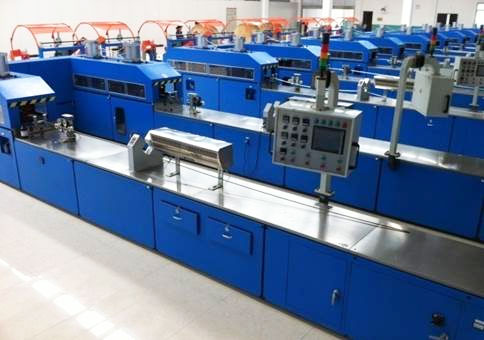
Pultrusion Machine for Composite Core(China)
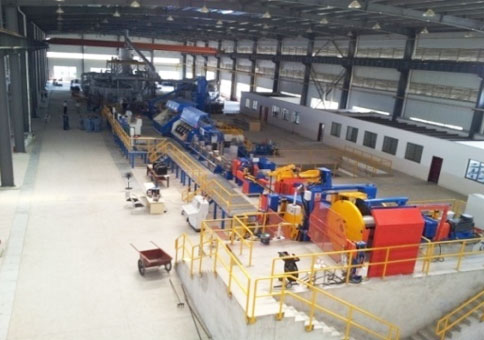
Plopez Continuous Casting and Rolling Production Line(Italy)
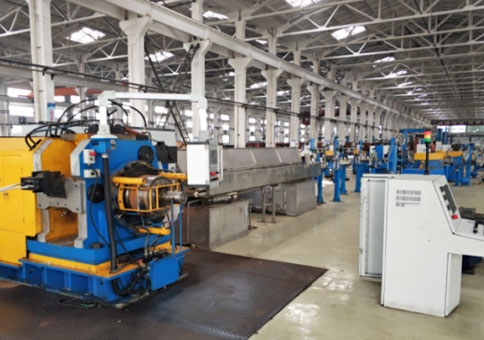
Aluminum Continuous Extruder (China)
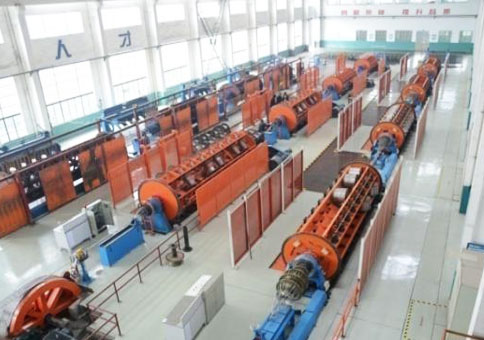
JKL 710/12+18+24+30 Frame Strander (China) 2. Testing Equipment for Carbon Fiber Composite Core Conductor
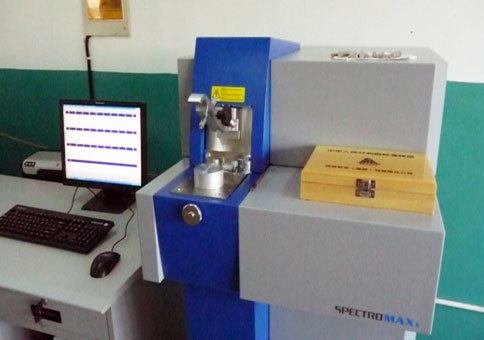
SPECTROMAXx-FV-M Spectroanalysis Instrument (Germany)
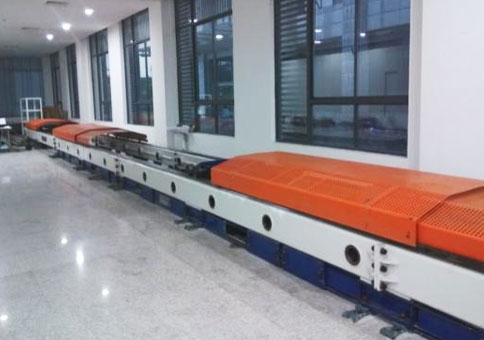
1000 kN Tensile Testing Machine (China)
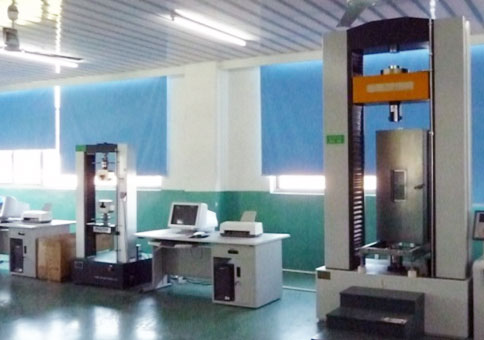
CMT4104、CMT6504 Tensile Testing Machine (China)
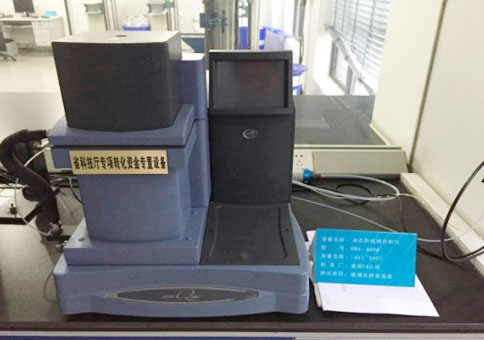
Dynamic Thermal Mechanical Analyzer (DMA) (America)
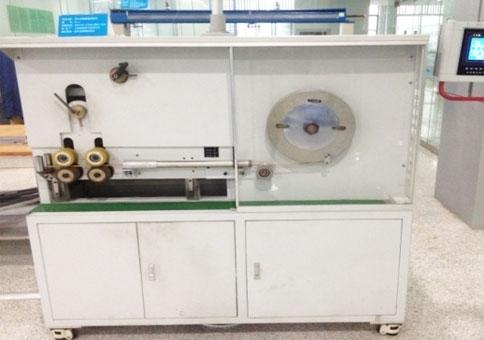
Mandrel Coiling Tester (China)
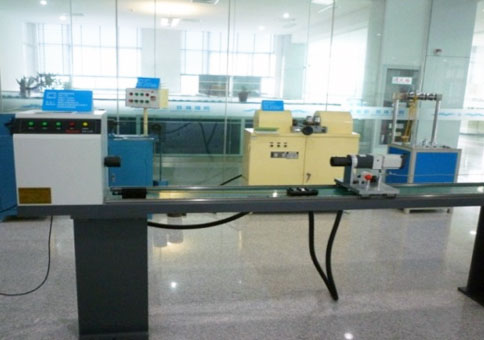
Mandrel Torsion Tester (China)
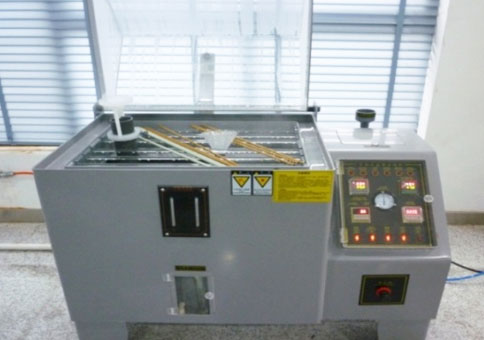
Salt Spray Test Chamber (China)
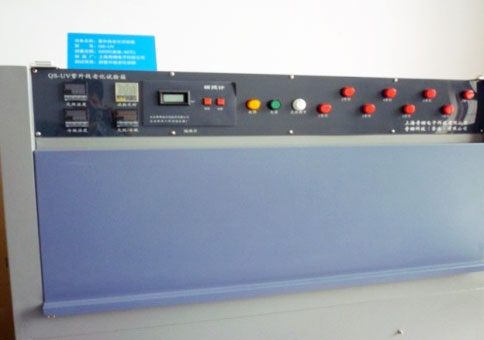
Ultraviolet Aging Test Chamber (China)