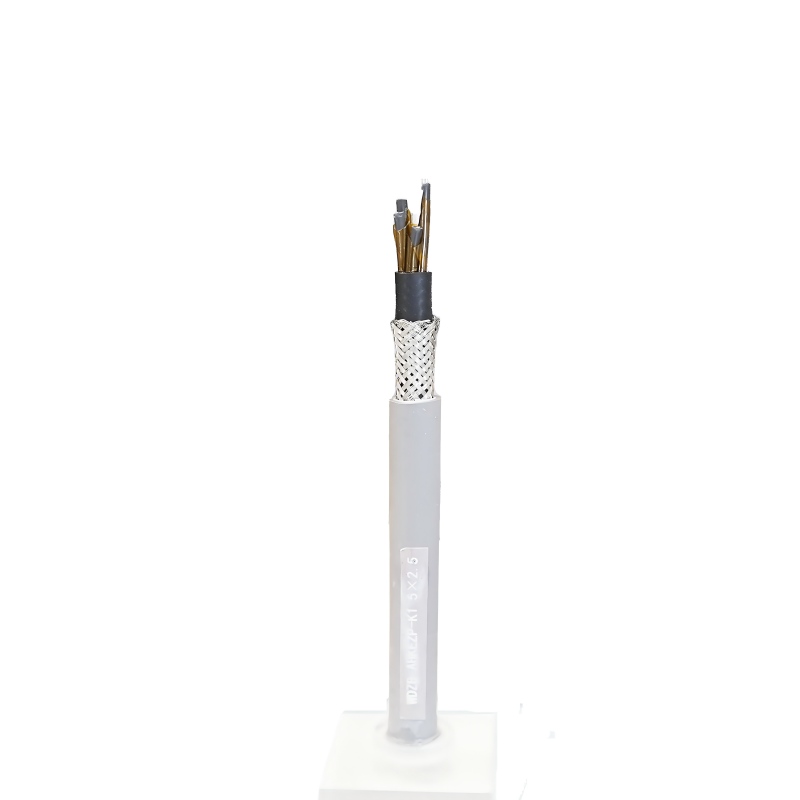
Nuclear facility construction carries massive financial and operational stakes. Replacing compromised components during the build phase causes catastrophic project delays, severe budget overruns, and intense regulatory intervention. A vulnerability gap exists between procurement and deployment. While engineered for extreme operational conditions, Nuclear Cable remains highly susceptible to damage during the staging phase. Improper storage exposes these assets to moisture ingress, UV degradation, chemical contamination, and mechanical crushing. You must implement strict, documented storage protocols to protect this investment. Professional cable installation support bridges this gap, ensuring you maintain Class 1E compliance and preserve manufacturer warranties. This guide details the exact environmental controls, handling procedures, and documentation practices required to keep your inventory in immediate readiness for deployment.
Environmental Control is Non-Negotiable: Indoor, climate-controlled storage is the baseline for preserving insulation integrity, with strict limits on temperature fluctuations, humidity, and chemical exposure.
End Sealing Prevents Ingress: Factory-applied end seals must remain intact; any breach requires immediate re-sealing and megger testing to verify moisture hasn't compromised the conductors.
Reel Orientation Matters: Reels must always be stored upright on their flanges, never flat, to prevent crushing the nuclear power cable and compromising its minimum bend radius.
Documentation Drives Compliance: Continuous QA/QC logging, adherence to NQA-1 standards, and strict physical security during the storage period are required to pass regulatory audits and validate the chain of custody before installation.
The Financial and Regulatory Risks of Improper Storage
Environmental Degradation Factors
Environmental threats target jacket and insulation materials aggressively during staging. Capillary action acts as a powerful vacuum inside the conductor strands. It draws water deep into unsealed cable ends through the interstitial spaces between the copper wires. This moisture ingress causes rapid oxidation. It drastically reduces dielectric strength and guarantees catastrophic testing failures during commissioning. Ultraviolet (UV) radiation and ozone exposure present equal dangers. Direct sunlight breaks down polymer chains in the outer jacket through photo-oxidation. High-ozone environments, typically found near active welding stations or high-voltage equipment, accelerate this degradation. The jacket becomes brittle, cracks, and loses its protective qualities long before installation begins. Thermal cycling further compounds these issues. Rapid shifts between freezing nights and scorching days cause the materials to expand and contract. This constant movement weakens the structural integrity of the extruded layers, leading to micro-fissures that eventually fail under operational electrical stress.
Mechanical Damage and Reel Integrity
Maintaining the physical integrity of the cable and its transport reel dictates success. Wooden reels face severe risks when stored on bare earth or in standing water. Moisture absorption causes flange rot. The wood weakens, leading to sudden reel collapse under the massive weight of the spool, which often exceeds 10,000 pounds. This collapse crushes the cable layers beneath it, distorting the internal geometry and ruining the shielding. High-traffic staging areas introduce impact damage risks. Forklifts, loaders, and heavy machinery operate in tight spaces. A single strike from a steel fork can gouge through protective lagging and sever multiple cable layers instantly. Even minor impacts can cause hidden internal damage. A slight deformation in the insulation shield can create a localized high-stress point that only reveals itself during high-voltage partial discharge testing.
Regulatory Non-Compliance and Qualified Life Reduction
Storage conditions directly impact IEEE 383, IEEE 1202, and NRC compliance. Improper temperature management triggers accelerated thermal aging. Extreme heat during storage eats into the 40-to-60-year qualified design life of the insulation. You lose years of operational viability before the plant even goes online. Poor storage management also destroys traceability. Weather tears away identification tags. UV light bleaches lot numbers into unreadable blanks. These failures guarantee rejected NQA-1 QA audits. Furthermore, manufacturers enforce strict storage protocols detailed on their specification sheets. Ignoring these guidelines voids warranties entirely, shifting massive replacement costs directly onto the project budget. Without proper documentation proving compliant storage, regulatory bodies will reject the installation outright, forcing you to pull and replace miles of expensive infrastructure.
Core Storage Requirements for Nuclear Power Cable
Indoor vs. Outdoor Storage Criteria
Project timelines dictate acceptable storage environments. Indoor storage remains the preferred baseline for any staging period exceeding thirty days. Ideal indoor facilities provide dry, ventilated spaces protected from extreme temperature swings. You need a solid concrete floor rated for heavy point loads to prevent the reels from sinking over time. If outdoor storage becomes unavoidable, you must deploy strict mitigation strategies. Use breathable tarps to allow ventilation while blocking rain and UV rays. Never use clear plastic. Clear plastic creates a destructive greenhouse effect that traps moisture and bakes the jacket material. Elevate all reels on solid lagging to prevent ground contact. Physical security requires rigid access control. Restrict entry to staging areas to prevent tampering, theft, and unauthorized handling. Strict chain-of-custody compliance demands knowing exactly who interacts with the inventory at all times. Fencing, security cameras, and logged entry points are mandatory for outdoor yards.
Temperature, Humidity, and Chemical Controls
Climate control directly dictates material longevity. You must enforce specific thermal limits based on the manufacturer's data sheet. Freezing temperatures cause jacket embrittlement, making the material prone to shattering upon movement. If you must move reels in sub-zero temperatures, you often need to place them in a heated tent for 24 hours prior to unspooling. Excessive heat causes insulation deformation under the crushing weight of the spool layers. Manage dew points carefully to prevent condensation under protective coverings. Trapped moisture accelerates degradation rapidly and promotes mold growth on wooden reels. Chemical isolation is equally critical. You must store nuclear power cable far away from petroleum products. Corrosive chemicals, solvents, and industrial lubricants melt and degrade polymer jackets on contact. Ensure that storage areas are completely isolated from painting stations, fuel depots, and chemical mixing zones.
End Sealing and Moisture Prevention
Maintaining cable ends requires daily vigilance. Intake inspection protocols must verify that factory-applied heat-shrink caps or mastic seals arrive perfectly intact. If a length is cut for testing or partial installation, immediate re-sealing is mandatory. Leaving an end exposed for even a few hours in high humidity invites disaster.
Clean the outer jacket thoroughly using approved non-abrasive solvents to remove dirt, mud, and pulling lubricants.
Inspect the cut end visually to ensure no moisture has already entered the conductor strands.
Perform a quick continuity and megger test if the end was exposed to rain or standing water.
Apply a heavy-wall, adhesive-lined heat shrink cap over the exposed end, ensuring it overlaps the jacket by at least three to four inches.
Apply uniform heat using a specialized heat gun, starting from the closed end to push out trapped air and prevent bubbling.
Verify adhesive flow around the jacket base to confirm a watertight seal has formed.
Allow the seal to cool completely to ambient temperature before moving or handling the reel.
Pest and Rodent Mitigation
Rodents pose a severe, hidden threat to staging yards. Rats, mice, and squirrels chew through thick polymer jackets and insulation to file their teeth or build nests. This exposes the copper shielding and conductors, rendering the segment useless and dangerous. Implement active pest control measures immediately upon establishing a staging area. Deploy commercial-grade bait stations and traps around the perimeter of indoor warehouses. For outdoor staging yards, clear away tall grass, debris, and potential nesting grounds within a 50-foot radius of the reels. Regular visual inspections must look for bite marks, droppings, and plastic shavings around the base of the spools. Do not rely solely on chemical repellents. Many commercial repellents contain solvents that can degrade the cable jacket if applied directly to the spool.
Handling and Reel Management Protocols
Forklift and Crane Handling Best Practices
The highest probability of catastrophic damage occurs during movement. Crane lifts require specialized spreader bars. The lifting chains must drop vertically to the reel arbor hole. Angled chains will crush the top flanges, splinter the wood, and destroy the outer cable layers. Forklift operators must place forks flange-to-flange only. The forks must never touch the cable itself or the protective lagging. Minimum Bend Radius (MBR) protection dictates all unspooling and transit operations. Kinking the cable destroys its internal geometry, tears the semi-conducting tape, and creates immediate hot spots. Secure all reels firmly during transit across uneven site terrain to prevent drops and sudden impacts. Use heavy-duty wooden chocks nailed directly into the transport deck to prevent rolling during transport on flatbed trucks or site trailers.
Reel Orientation and Ground Clearance
Simple logistical rules prevent complex failures. Reels must always stand upright on their flanges. This orientation distributes the massive weight properly across the structural supports of the spool. Storing reels flat on their sides crushes the bottom layers, violates MBR limits, and makes safe lifting impossible. Ground clearance is mandatory. Use treated dunnage, heavy-duty pallets, or poured concrete pads. Elevate all reels at least 3 to 4 inches above the ground or warehouse floor. This prevents moisture wicking, flange rot, and localized flooding damage. Ensure the dunnage is perfectly level. An unlevel base causes the reel to lean, which puts uneven, destructive stress on the lower flange and can lead to a sudden collapse.
Routine Inspection and Maintenance Schedules
Large-scale builds require scalable maintenance programs. Establish a rigorous weekly checklist for all stored inventory to catch minor issues before they become critical failures.
Check protective lagging for impact damage, splintering, or missing boards caused by site traffic.
Verify end seal integrity on all exposed cable tails, looking for cracks, peeling adhesive, or physical punctures.
Inspect for pest infestation signs around the dunnage, inside the arbor holes, and between the spool layers.
Confirm all NQA-1 labeling remains legible, securely attached with UV-resistant zip ties, and matches the master inventory manifest.
Check tarp ventilation to ensure no condensation buildup, trapped heat, or pooling water on top of the covers.
Examine wooden flanges for signs of rot, warping, loose tension bolts, or separation from the drum.
Verify that chocks remain securely in place and have not shifted due to ground settling or vibration.
During extended storage periods, mandate Insulation Resistance (IR) testing. Periodic megger testing verifies ongoing viability and catches moisture ingress early. If a test fails, you can cut back the damaged section, re-test, and save the rest of the spool before the moisture travels further down the conductor.
Observed Defect
Immediate Action Required
Long-Term Mitigation
Broken or Missing End Seal
Cut back cable until dry conductor is reached, megger test, and apply new heat-shrink cap.
Increase inspection frequency; restrict access to unauthorized personnel.
Condensation Under Tarp
Remove tarp immediately to air out the reel; wipe down accessible surfaces.
Switch to breathable canvas tarps; increase dunnage height for better airflow.
Splintered Flange or Lagging
Inspect underlying cable for gouges; repair lagging with new treated lumber.
Widen forklift travel lanes; mandate spotters for all heavy equipment movement near staging.
Faded or Missing NQA-1 Tags
Cross-reference reel serial number with digital manifest and print replacement tags.
Use UV-resistant markers and weather-proof laminate pouches for all identification.
Evaluating Cable Installation Support and Vendor Partnerships
What to Look for in Pre-Installation Support
Third-party expertise manages staging risks effectively. Vendors should conduct comprehensive staging area audits before cable delivery. These audits verify IEEE and NRC readiness, ensuring your facility meets all environmental and security baselines. Leverage vendor support to train site personnel. Heavy-duty reels require specific handling techniques that differ vastly from standard commercial wire. Proper training prevents accidental drops, fork gouges, and MBR violations during the chaotic initial delivery phase. A strong vendor will provide detailed handling manuals, video demonstrations, and on-site supervision during the first major unspooling operations.
QA/QC Documentation and Chain of Custody
Regulatory compliance relies entirely on documentation. Digital inventory management tracks every reel from the extrusion factory to the final trench. You need continuous environmental logging to prove temperature and humidity remained within specification throughout the storage duration. Inspection records must be digitized, time-stamped, and easily searchable. Comprehensive cable installation support ensures all documentation is immediately available. When NRC inspectors, NQA-1 auditors, or internal QA teams demand proof of custody, your records must be flawless and instant. Missing a single intake log can trigger a massive non-conformance report, halting installation across the entire site until the discrepancy is resolved.
Cost-Benefit of Third-Party Storage Facilities
In-house site storage competes with utilizing a vendor's climate-controlled facility. Construction sites suffer from severe space constraints. Taking up valuable footprint with massive cable reels introduces hidden costs, restricts crane movements, and creates logistical bottlenecks. Just-in-time delivery offers powerful financial benefits. The vendor stores the inventory off-site in optimized, climate-controlled conditions. They deliver specific reels exactly when the installation crew is ready to pull them. This mitigates site damage risks, reduces security overhead, and keeps the construction footprint clear for active work. It also shifts the burden of environmental monitoring, pest control, and reel maintenance back to the supplier.
Storage Factor
On-Site Staging
Off-Site Vendor Storage
Climate Control
Difficult to maintain; highly vulnerable to sudden weather shifts and seasonal extremes.
Fully regulated temperature and humidity baselines monitored 24/7.
Space Utilization
Consumes high-value active construction footprint, limiting equipment mobility.
Frees up site space entirely for heavy machinery, laydown yards, and personnel.
Damage Risk
High risk from site traffic, flying debris, welding sparks, and heavy equipment.
Minimal risk; isolated and controlled warehouse environment with dedicated handling equipment.
Audit Readiness
Requires dedicated site QA personnel to log daily metrics and maintain physical binders.
Automated vendor logs ensure strict NQA-1 compliance with instant digital retrieval.
Security
Requires temporary fencing, site guards, and constant perimeter monitoring.
Housed in permanent, monitored, access-controlled facilities with strict visitor logs.
Conclusion
Audit your current staging areas against IEEE standards to identify moisture, chemical, and temperature vulnerabilities before accepting delivery.
Implement a mandatory weekly inspection checklist for all end seals, reel flanges, and protective lagging to catch degradation early.
Train all forklift and crane operators on flange-to-flange lifting techniques and strict minimum bend radius restrictions.
Digitize your QA/QC logs, including intake reports and environmental data, to ensure instant traceability for NQA-1 audits.
Contact a specialized supplier to establish custom off-site storage and just-in-time delivery programs that reduce your site footprint.
FAQ
Q: How long can nuclear cable be stored outdoors?
A: Outdoor storage should remain temporary, ideally not exceeding three to six months. It requires strict protective measures. You must use breathable tarps to block UV rays and rain while preventing condensation. Reels must be elevated on treated dunnage to prevent moisture wicking from the ground. Active pest control and secure fencing are mandatory to prevent rodent damage and unauthorized access.
Q: What happens if the end seal on a nuclear power cable breaks?
A: A broken end seal invites immediate moisture ingress through capillary action, which degrades the internal conductors and dielectric strength. You must cut back the affected length immediately until dry, unoxidized conductors are reached. Perform megger testing to verify insulation integrity, and then apply a new heavy-wall, adhesive-lined heat-shrink seal to lock out future moisture.
Q: Can cable reels be stored flat on their sides?
A: No. You must never store reels flat on their sides. Flat storage crushes the bottom layers of the cable under the massive weight of the spool. It severely violates minimum bend radius limits, distorts the internal geometry, and makes safe lifting with a forklift or crane nearly impossible without causing catastrophic mechanical damage.
Q: Do nuclear cables require climate-controlled storage?
A: While highly recommended, it depends on the specific polymer jacket and storage duration. Climate-controlled storage prevents thermal degradation, condensation, and qualified life reduction. Extreme cold causes jacket embrittlement, while excessive heat deforms insulation. Maintaining stable temperature and humidity preserves the 40-to-60-year design life and ensures immediate readiness for installation.
Q: What documentation is required during the storage phase?
A: Regulatory compliance demands continuous QA/QC logging. You must maintain intake inspection reports, weekly environmental logs tracking temperature and humidity, and NQA-1 compliance records. Document any handling events, reel movements, or re-sealing procedures. These time-stamped, digital records prove the chain of custody and validate environmental conditions for NRC auditors.
Q: What is included in cable installation support services?
A: Support services bridge the gap between delivery and deployment. They typically include comprehensive site storage audits, handling training for crane and forklift operators, and pre-installation testing. Advanced services offer off-site climate-controlled warehousing and just-in-time delivery, ensuring reels arrive on-site exactly when crews are ready to pull them.