In mining operations where hazardous gases and dust are present, the safety and reliability of every electrical component becomes critical. One of the key elements in such environments is the mining cable itself. Heavy-duty mining cables are not only built to withstand physical stress, but when designed for explosion-proof applications, they also help reduce ignition risks in dangerous zones. At Far East Cables, we provide mining cable solutions that meet global safety standards and are engineered to perform under the harshest conditions, giving operators peace of mind in explosive atmospheres.
What “Explosion-Proof” Means for Mining Cables
The phrase “explosion-proof” in mining does not mean that a cable can prevent explosions in every case. Instead, it refers to a design philosophy and compliance framework where cables are constructed to minimize the possibility of sparking or overheating that could ignite gases, vapors, or combustible dust. Mines are divided into hazardous classifications, such as Class I for gas and vapor environments or Class II for dust. Within these classifications, zones define the frequency and likelihood of explosive atmospheres being present.
In these areas, mining cable selection becomes more than a technical choice—it is a matter of worker safety and regulatory compliance. A cable that fails in such a setting could lead to catastrophic events. This is why standards and certifications are essential. International frameworks such as ATEX in Europe, IECEx globally, and MSHA in the United States provide guidelines and testing protocols to ensure that explosion-proof mining cables meet the necessary safety thresholds. Some regions also require additional markings for equipment temperature ratings or ingress protection levels, which directly influence how long a cable can safely operate in a volatile atmosphere. When a cable carries these approvals, customers can be confident that it has undergone rigorous evaluation for hazardous conditions.
Heavy-Duty Cable Constructions for Hazardous Environments
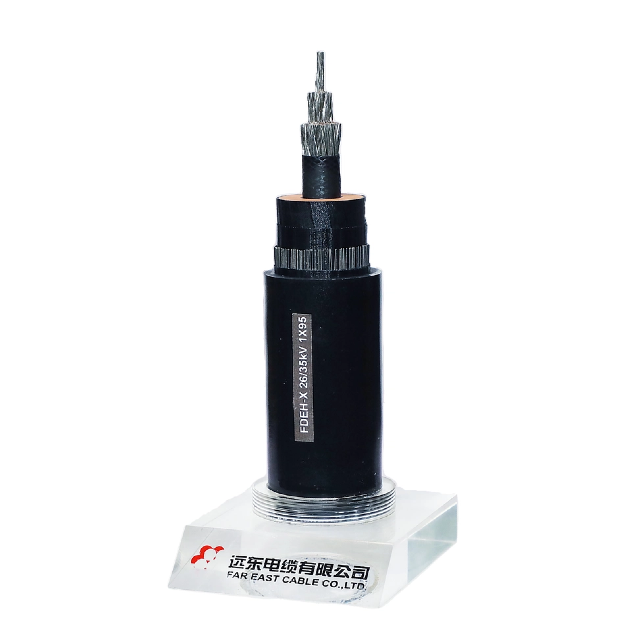
Heavy-duty mining cables differ from standard cables not only in their size and current capacity but in their layered defenses against environmental and mechanical threats. In explosion-prone areas, these design features are critical:
Armoring: Steel wire or tape armoring provides a protective barrier against crushing, impact, and rodent damage. In explosion-risk zones, this armoring also helps contain any internal faults, limiting energy release.
Sealed Joints and Barriers: Specialized jointing materials and sealed terminations prevent the ingress of gases, dust, or moisture into the cable core, reducing the risk of an explosive reaction inside the cable structure.
Oil and Chemical Resistance: Heavy-duty mining cables are often exposed to oils, greases, and corrosive chemicals. Outer jackets are formulated with compounds that resist these substances, preventing degradation that could lead to faults.
Low-Sparking Materials: Conductors and shielding materials are carefully selected to avoid sparking during mechanical stress or fault conditions.
These design elements are not optional extras but essential safeguards. Compared to standard mining cables, heavy-duty mining cables built for hazardous environments integrate these protections into every layer. The difference is not simply one of thickness or durability but of specialized engineering to address both safety and performance demands in explosion-risk areas. This makes them the preferred choice for operators who must combine high electrical performance with uncompromising safety.
Installation, Inspection and Maintenance in Hazardous Zones
Even the best explosion-proof mining cable cannot fulfill its role without correct installation and ongoing maintenance. In hazardous areas, special attention must be given to every stage of cable handling.
Cable Glands and Terminations: Only explosion-proof cable glands and fittings should be used. These glands seal off the entry points into equipment enclosures, preventing gases from traveling through the cable jacket. In many mines, metallic barrier glands are mandatory to stop the propagation of flames.
Routing Practices: Cables must be routed to avoid contact with sharp edges, hot surfaces, or moving machinery. Keeping sufficient clearance from ignition sources is essential. Routing should also minimize long runs near communication cables to avoid interference that could affect safety systems.
Inspection Schedules: Periodic inspections are critical. Technicians should look for jacket abrasion, signs of chemical attack, or any compromised armor. Thermal imaging during inspections can also identify hotspots before they lead to failure. Early detection of wear prevents faults that could otherwise create sparks or arcs.
Maintenance Protocols: When maintenance is required, strict procedures must be followed to maintain the explosion-proof integrity of joints and enclosures. Proper re-sealing of glands, verification of insulation resistance, and documentation of any repair work are essential. Training maintenance staff in hazardous-area requirements ensures that safety standards are never compromised.
By implementing best practices in installation and inspection, mines ensure that the investment in explosion-proof heavy-duty cables continues to deliver both safety and reliability over the long term.
Compliance, Testing and Documentation That Customers Must Demand
Explosion-proof cable performance is not something to take on trust—it must be proven. Customers should demand clear evidence of compliance from their suppliers. This includes:
Factory Acceptance Tests: Verifications such as insulation resistance, partial discharge testing, and high-voltage withstand testing should be completed before the cable leaves the manufacturer.
Type Tests: Independent certification bodies test samples for flame resistance, impact, chemical durability, and other parameters specific to hazardous environments. Some tests simulate real mine conditions, such as exposure to methane or coal dust.
Certificates and Approvals: ATEX, IECEx, or MSHA certificates should be readily available. Customers should verify that these are up to date and cover the specific type of cable being purchased. It is also recommended to check that documentation includes the intended zone classification, so users know exactly where the cable can be installed.
Traceability and Material Declarations: Each batch of heavy-duty mining cables should carry full traceability, including the materials used in conductors, insulation, and jackets. This ensures consistency and accountability across orders.
By insisting on thorough documentation, mines and industrial operators safeguard themselves against potential liabilities while ensuring that only genuine explosion-proof mining cable products are installed in their facilities. Choosing a supplier that is transparent in providing compliance records adds an extra layer of assurance in hazardous operations.
How Heavy-Duty Mining Cables Stand Out in Hazardous Settings
Far East Cables designs and manufactures heavy-duty mining cables that are fully prepared for explosion-risk environments. Our products integrate rugged armoring, sealed construction, and oil-resistant jackets while meeting international certification requirements. In addition, our cables are supported by advanced testing processes, ensuring that every length delivered has been evaluated for safety and performance in hazardous zones.
What distinguishes our approach is not only compliance with global standards but also flexibility in meeting customer-specific needs. We provide custom testing options for unique mine environments, offer detailed documentation packages including certificates and declarations, and back our products with technical support and warranty programs. This combination of rugged construction, compliance, and customer service ensures that our heavy-duty mining cables deliver lasting safety in the most demanding conditions. For procurement teams, this means reduced downtime, higher safety margins, and dependable support throughout the product lifecycle.
Conclusion
Heavy-duty mining cables play a crucial role in ensuring safe power transmission in explosion-prone mining environments. With proper construction, certification, and maintenance, explosion-proof mining cable solutions significantly reduce ignition risks while delivering reliable performance. At Far East Cables, we are committed to providing mining cable systems that meet the highest safety and durability standards for hazardous operations worldwide. For more information, certificates, or to request a detailed quotation, please contact us today.


