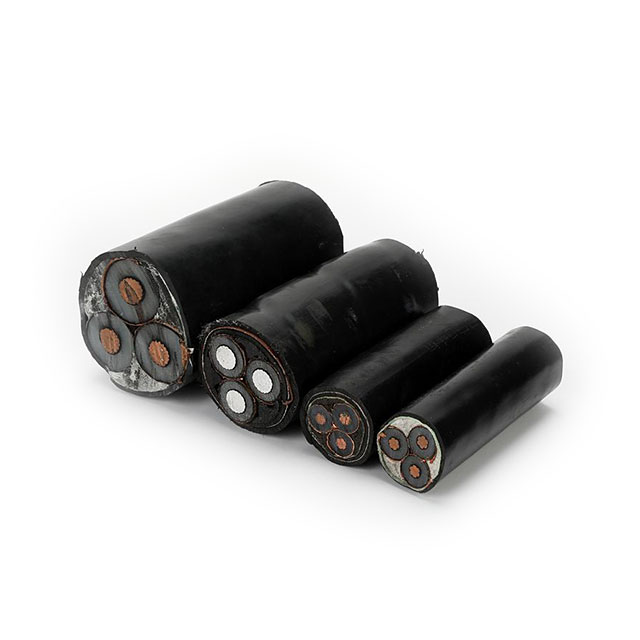
Modern railway infrastructure projects demand reliable, high-performance railway cable systems capable of delivering continuous power, precise signaling, and stable data communication. As a professional railway cable manufacturer, Far East Cable supplies railway power cables, railway signaling cables, railway control cables, and rolling stock cable solutions for metro systems, high-speed railways, freight rail, and urban transit projects worldwide. Unlike standard industrial cables, railway cables are specifically engineered to withstand continuous vibration, harsh outdoor environments, electromagnetic interference (EMI), and strict railway fire safety requirements. They cannot withstand the intense mechanical stress. They degrade rapidly under extreme thermal fluctuations. Rail operations also demand rigorous fire-safety mandates. When standard wiring falls short, operators face catastrophic system failures. This causes costly downtime and severe safety risks.
This guide explains how to select the right railway cable for different railway applications while introducing Far East Cable's complete railway cable solutions for railway infrastructure projects.in this sector. You will gain an objective framework for categorizing and selecting the right wiring solutions. We cover rolling stock applications, trackside deployments, and current compliance standards guiding these decisions. This knowledge empowers engineers and procurement teams. You can confidently specify the correct products for complex rail environments.
Why Choosing the Right Railway Cable Matters
Proper railway cable selection directly affects
Safety
Maintenance Cost
Project Reliability
Service Life
1. Railway Cable Requirements for Modern Railway Systems
Implementation Realities
Physical stressors in rail environments are severe. Trains cause continuous and intense vibration. This vibration induces mechanical fatigue. It often fractures standard copper conductors over time. Rodents pose another constant physical threat. They chew aggressively through basic outer jackets. You must also account for intense UV exposure. Direct sunlight quickly degrades standard plastic sheathing. Moisture ingress ruins signal integrity in trackside troughs. Temperature extremes add daily thermal stress. These realities dictate highly specialized material choices. Standard commercial wires simply deteriorate under these harsh conditions.
The Fire Safety Imperative
Fire safety dictates modern rail design. Underground stations and tunnels act as enclosed hazards. A fire in these spaces becomes extremely dangerous. Standard PVC wiring releases toxic and corrosive gases when burned. It also produces thick, blinding smoke. Far East Cable manufactures LSZH railway cables compliant with EN 45545-2 to minimize smoke emission, eliminate halogen gases, and improve passenger safety in tunnels, metro stations, and underground railway systems.
Why Railway Cable Quality Matters
Reliable power transmission
Signal stability
Long service life
Reduced maintenance
Compliance
2. Core Types of Railway Cable
Medium Voltage Cable
Railway Medium Voltage Cable
Suitable for:
✔ Railway traction systems
✔ Railway substations
✔ Overhead power supply
✔ Underground distribution
Typical voltage:
6kV/10kV/15kV/20kV/35kV
Railway Control Cable
Railway Control Cable and Data Transmission
Modern railway systems rely on continuous communication, real-time monitoring, and automated control to ensure safe and efficient operation. Railway control cables are essential for transmitting power and control signals between signaling equipment, interlocking systems, switch machines, and centralized control systems. Reliable signal transmission helps prevent communication failures and ensures the safe operation of railway infrastructure.
Far East Cable manufactures high-performance railway control cables designed for demanding railway environments. Our cables feature multi-core constructions, excellent shielding performance, and durable insulation materials to provide stable signal transmission while minimizing electromagnetic interference (EMI). They are suitable for long-distance installations and harsh outdoor conditions where vibration, moisture, UV exposure, and mechanical stress are common.
Typical Applications
Railway signaling systems
Railway interlocking systems
SCADA control systems
PLC automation systems
Automatic Train Control (ATC)
Automatic Train Protection (ATP)
Automatic Train Operation (ATO)
Track switch control
Railway traffic monitoring systems
Station control equipment
Wayside control cabinets
Railway communication systems
Key Features
Stable power and signal transmission
Excellent EMI shielding performance
Multi-core cable configurations
LSZH sheath available for enhanced fire safety
High flexibility and easy installation
Outstanding resistance to vibration, moisture, oil, UV, and mechanical impact
Custom conductor, shielding, armor, and cable constructions available
Signaling Cables (Type A, B, C, D, E)
Railway Signaling Cable Types
Railway signaling cables play a critical role in maintaining safe and reliable railway operations. They transmit control signals between signaling centers, trackside equipment, interlocking systems, and automatic train control systems. Selecting the appropriate signaling cable depends on installation conditions, electrical performance, mechanical protection, and local railway specifications.
Type A Railway Signaling Cable
Designed for primary railway signaling networks requiring maximum mechanical protection and long service life. These cables are commonly used on main railway lines and high-speed railway projects.
Type B Railway Signaling Cable
Suitable for secondary signaling circuits and localized railway installations where greater installation flexibility is required.
Type C Railway Signaling Cable
Specifically designed for railway point machines and switch control equipment operating under continuous vibration and mechanical stress.
Type D Railway Signaling Cable
Frequently used in legacy railway systems and infrastructure upgrades where specialized multi-core cable constructions are required.
Type E Railway Signaling Cable
Designed for modern high-speed railway networks requiring superior electromagnetic interference (EMI) protection and high-performance signal transmission.
Far East Cable offers customized railway signaling cable solutions with copper conductors, LSZH or PVC sheaths, shielding options, and armored constructions to meet various international railway standards and project requirements.
3. Railway Cable Applications
Different railway environments require different cable constructions to ensure long-term reliability, safety, and operational efficiency. Selecting the appropriate railway cable depends on installation location, mechanical stress, environmental exposure, and applicable railway standards.
Rolling Stock Applications
Rolling stock cables are installed inside trains, metro vehicles, locomotives, and passenger coaches where flexibility, lightweight construction, and fire safety are essential. These cables must comply with EN 50264 and EN 50306 standards while offering excellent resistance to vibration, oil, fuel, moisture, and continuous movement.
Trackside Applications
Trackside railway cables are used for signaling systems, communication networks, power distribution, and railway monitoring equipment. They require superior UV resistance, moisture protection, rodent resistance, and excellent mechanical strength for long-term outdoor operation.
Tunnel and Underground Railway Applications
Railway tunnels and underground stations require LSZH railway cables that minimize smoke emission and eliminate corrosive halogen gases during fire incidents. These cables help improve passenger safety and protect sensitive electronic equipment.
Compliance with international railway standards is essential for ensuring long-term safety, reliability, and project approval. Far East Cable manufactures railway cables in accordance with internationally recognized standards and supports customized solutions to meet regional railway specifications.
Our railway cable solutions can be manufactured to comply with:
EN 45545-2 (Railway Fire Protection)
EN 50264
EN 50306
IEC 60502
IEC 60228
IEC 60332
IEC 60754
IEC 61034
BS Standards (Available upon request)
Customer-specific railway specifications
In addition, our manufacturing facilities operate under internationally recognized quality management systems to ensure consistent product performance and reliable project delivery.
Railway Cable Materials and Performance
Selecting the appropriate insulation and sheath materials is essential for maximizing railway cable performance and service life. Different railway environments require different material characteristics to achieve the best balance between mechanical strength, fire safety, flexibility, and environmental resistance.
Far East Cable offers various insulation and sheath materials, including:
XLPE insulation for excellent electrical performance
EPR insulation for superior flexibility
LSZH compounds for enhanced fire safety
PVC sheaths for general railway applications
HDPE jackets for outdoor and direct burial installations
Customized material combinations are available to meet specific railway standards, environmental conditions, and customer project requirements.
5. Custom Railway Cable Solutions
Every railway project has unique technical requirements. Standard cable designs may not always meet specific installation conditions, voltage ratings, or environmental challenges. Far East Cable provides customized railway cable solutions to support railway infrastructure, metro systems, industrial railways, and high-speed rail projects worldwide.
Our customization capabilities include:
Customized conductor sizes
Custom voltage ratings
Special insulation materials
LSZH or PVC sheath options
Shielded and armored constructions
Custom cable colors and printing
OEM and private label manufacturing
Project-specific packaging and drum marking
Our engineering team works closely with EPC contractors, railway operators, and system integrators to develop reliable cable solutions that meet project specifications and international standards.
6. Why Choose Far East Cable for Railway Projects
Choosing the right railway cable manufacturer is just as important as selecting the right cable design. Far East Cable combines advanced manufacturing capabilities, strict quality control, and international project experience to provide reliable railway cable solutions for customers worldwide.
Our Advantages
Complete railway cable product portfolio
Customized cable design and OEM manufacturing
Compliance with international railway standards
Advanced production and testing facilities
Excellent resistance to fire, vibration, moisture, UV, and mechanical impact
Strict factory quality control and routine testing
Professional technical support before and after sales
Competitive pricing and reliable delivery schedules
Extensive experience supporting international railway infrastructure projects
Whether you require railway power cables, railway signaling cables, railway control cables, or customized rolling stock cable solutions, Far East Cable is committed to delivering safe, reliable, and high-performance products for your railway applications.