content is empty!
| Availability: | |
|---|---|
| Quantity: | |
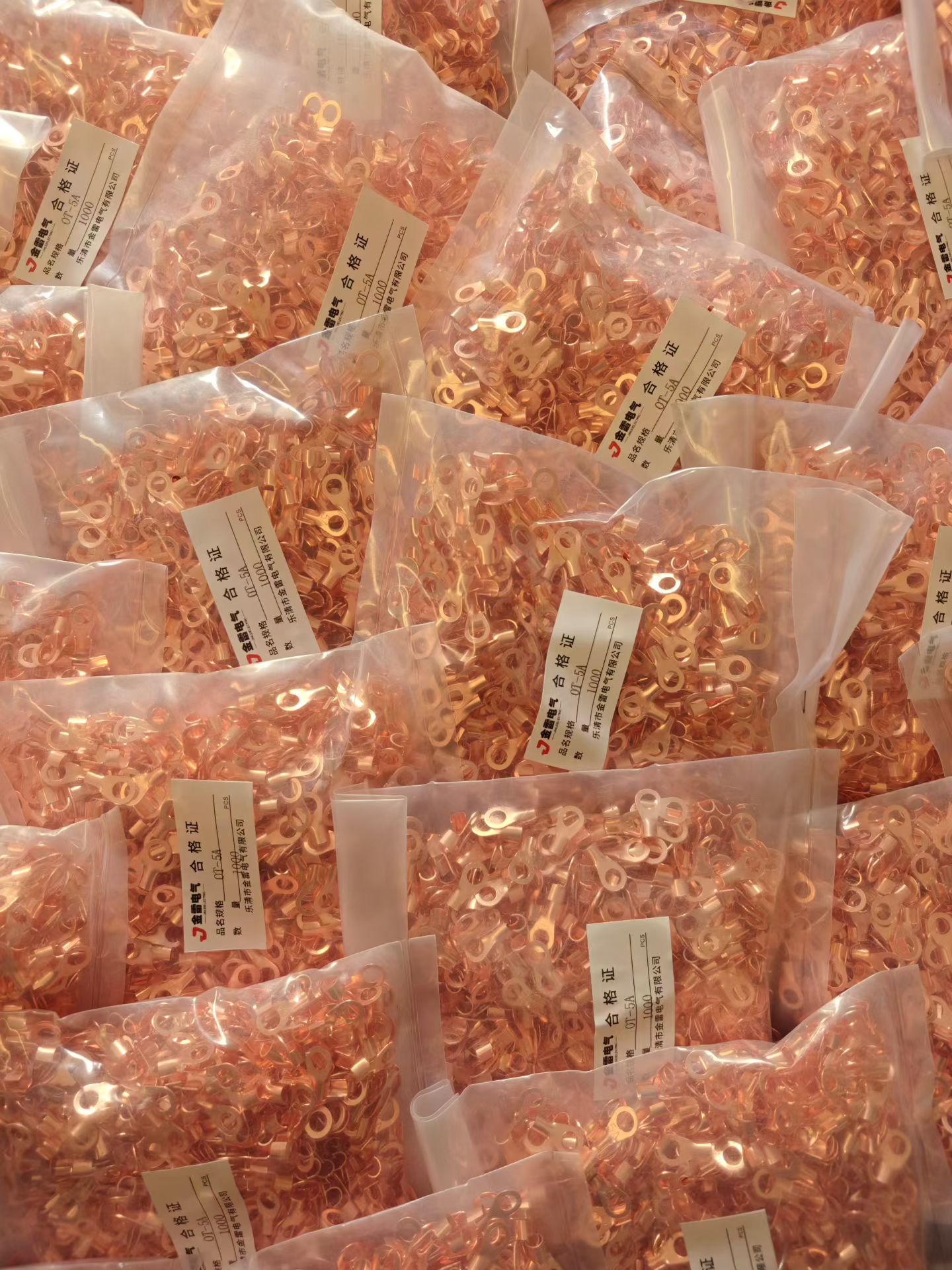
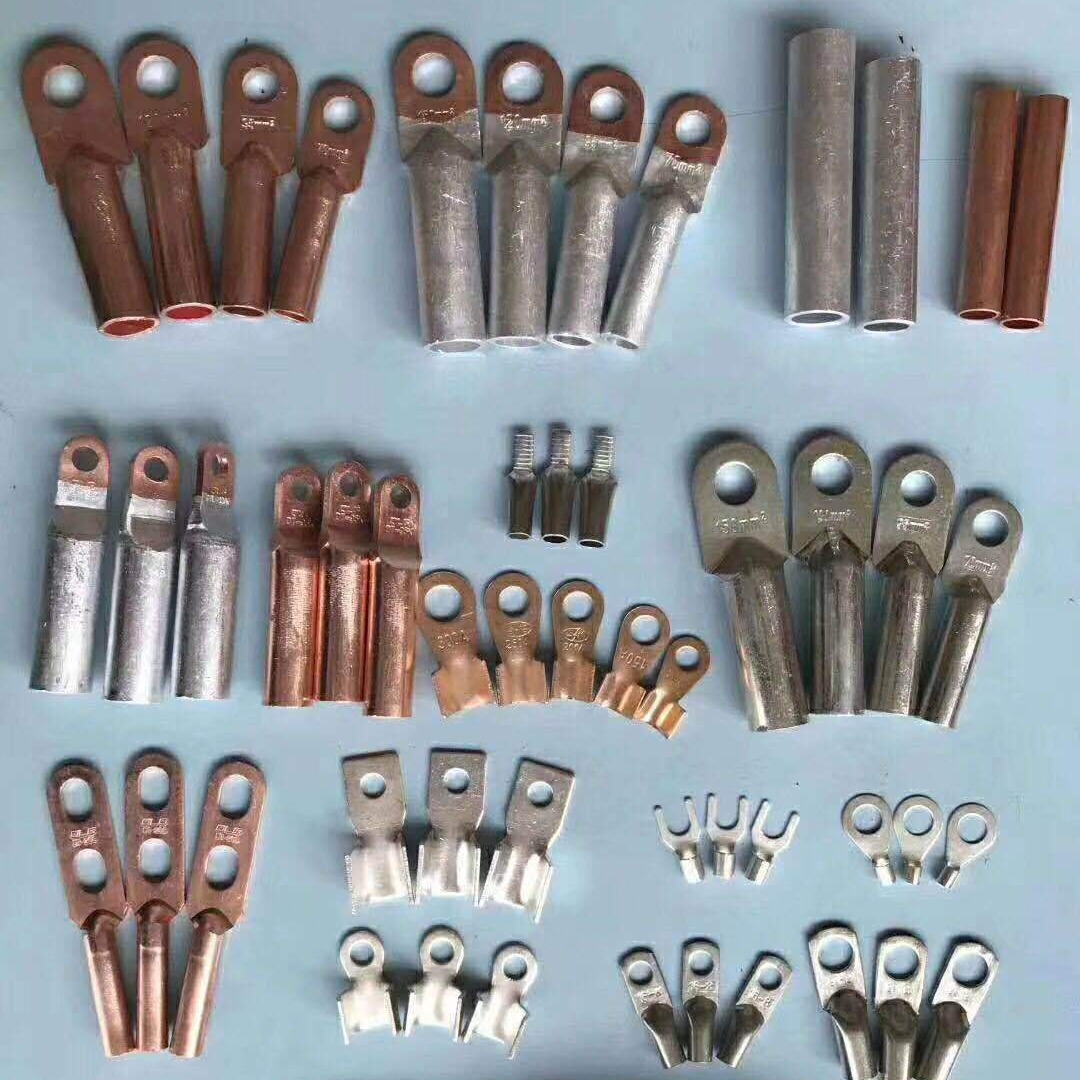
Cable lugs are mechanical connectors used to securely terminate, connect, or extend electrical cables in low-, medium-, and high-voltage systems. They are typically made of high-conductivity copper or corrosion-resistant aluminum, designed to ensure optimal electrical performance and long-term reliability. Cable lugs are available in various types including copper tube lugs, aluminum lugs, bimetal lugs, insulated lugs, and compression or mechanical lugs, suitable for different installation environments. Their robust construction ensures strong mechanical strength, stable electrical contact, and safe current transmission under demanding industrial conditions.


Cable lugs are mechanical connectors used to securely terminate, connect, or extend electrical cables in low-, medium-, and high-voltage systems. They are typically made of high-conductivity copper or corrosion-resistant aluminum, designed to ensure optimal electrical performance and long-term reliability. Cable lugs are available in various types including copper tube lugs, aluminum lugs, bimetal lugs, insulated lugs, and compression or mechanical lugs, suitable for different installation environments. Their robust construction ensures strong mechanical strength, stable electrical contact, and safe current transmission under demanding industrial conditions.


High Conductivity & Low Resistance
Made from high-purity copper or aluminum to ensure excellent electrical conductivity and minimize power loss during transmission.
Strong Mechanical Strength
Thick barrel design provides high pull-out resistance, ensuring stable connections even under vibration, mechanical impact, or thermal cycling.
Corrosion & Oxidation Resistance
Surface treated with tin-plating or anodizing to resist corrosion, making them suitable for harsh environments such as coastal, industrial, and humid areas.
Wide Range of Sizes & Standards
Compliant with IEC, DIN, BS, and UL standards, with compatibility for different cable cross-sections from 1.5mm² to 1000mm².
Easy & Safe Installation
Designed for fast crimping or bolted connection, reducing installation time and ensuring secure termination.
Cable lugs are widely used in electrical distribution, industrial equipment, and power connection systems where reliable cable terminations are required. They are essential in power plants, substations, switchgear panels, distribution boards, renewable energy installations, EV charging stations, and heavy-duty machinery. Cable lugs provide a safe and stable connection between cables and electrical devices, helping improve system efficiency, reduce overheating, and prevent connection failures. They are commonly used in construction wiring, industrial control cabinets, automation systems, marine equipment, railways, and telecom networks, where durable and vibration-resistant connections are critical.
High Conductivity & Low Resistance
Made from high-purity copper or aluminum to ensure excellent electrical conductivity and minimize power loss during transmission.
Strong Mechanical Strength
Thick barrel design provides high pull-out resistance, ensuring stable connections even under vibration, mechanical impact, or thermal cycling.
Corrosion & Oxidation Resistance
Surface treated with tin-plating or anodizing to resist corrosion, making them suitable for harsh environments such as coastal, industrial, and humid areas.
Wide Range of Sizes & Standards
Compliant with IEC, DIN, BS, and UL standards, with compatibility for different cable cross-sections from 1.5mm² to 1000mm².
Easy & Safe Installation
Designed for fast crimping or bolted connection, reducing installation time and ensuring secure termination.
Cable lugs are widely used in electrical distribution, industrial equipment, and power connection systems where reliable cable terminations are required. They are essential in power plants, substations, switchgear panels, distribution boards, renewable energy installations, EV charging stations, and heavy-duty machinery. Cable lugs provide a safe and stable connection between cables and electrical devices, helping improve system efficiency, reduce overheating, and prevent connection failures. They are commonly used in construction wiring, industrial control cabinets, automation systems, marine equipment, railways, and telecom networks, where durable and vibration-resistant connections are critical.